
Star Point in padel: how the rule works
Two advantages, then one point decides.
A game step by step
Deuce 3: one Star Point decides the game
Advantage 1
Advantage 2
Star Point
More
The Star Point is a way to finish a game that reaches deuce. A game allows up to two advantages; if neither is converted, the third deuce is decided by a single point. The International Padel Federation (FIP) lists it in the Rules of Padel applied from 1 January 2026 as one of three ways to score a game. This page follows the wording of the rulebook, and the sources are linked at the end.
A padel game is scored 15, 30, 40, game. When both pairs reach 40 the score is deuce, and the rules have to say how the game ends. For years there were two answers: advantage play, where deuce can repeat without limit, and the golden point, where the first deuce is settled by one point.
The Star Point sits between the two. The FIP General Assembly approved it on 28 November 2025, and the federation describes it as an alternative option for games that reach deuce. In practice it is a short stretch of advantage play with a fixed end.
Win the point after your advantage and the game is yours. Lose it and the score is deuce again. The same once more: a second and last chance to convert an advantage. One deciding point. The pair that wins it wins the game.
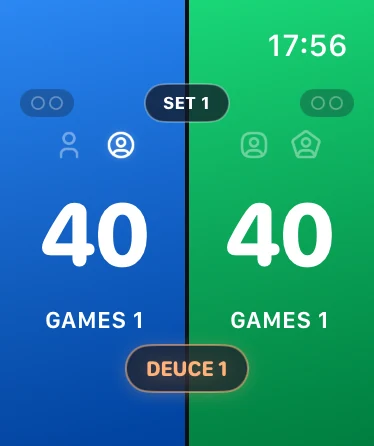
Deuce 1. Both pairs have won three points. The pair that wins the next point has advantage 1.
Advantage 1. If the pair with the advantage wins the next point, they win the game. If they lose it, the score is deuce 2.
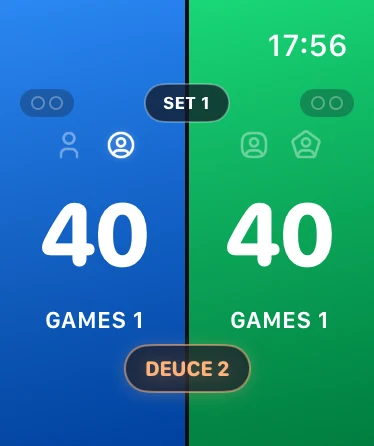
Deuce 2 and advantage 2. The same happens once more: the pair that wins the point at deuce 2 has advantage 2, and winning the next point gives them the game.
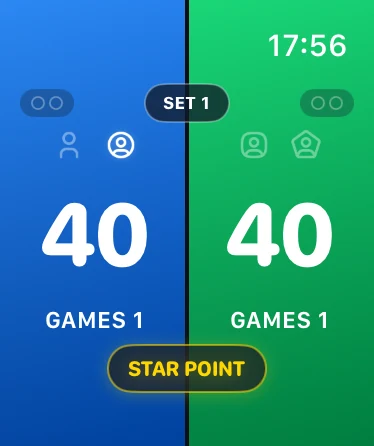
Deuce 3 and the Star Point. If advantage 2 is lost as well, the score is deuce 3 and one deciding point is played. The pair that wins it wins the game.
Either pair can hold each advantage; what matters is that two advantages have been played and lost. By our count, a Star Point game lasts at most eleven points: six to reach the first deuce, two for each of the two advantages, and the Star Point itself.
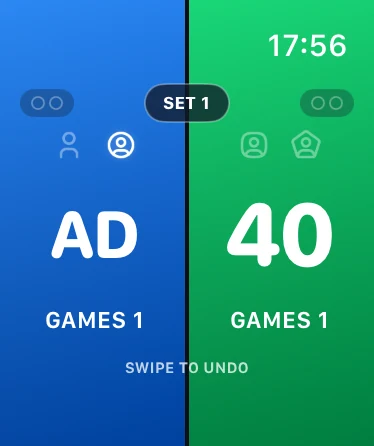
The same game on the watch: Rallyboard labels each deuce and the Star Point.
Who chooses the side
The receiving pair picks the side
 RightLeftReceivers choose
More
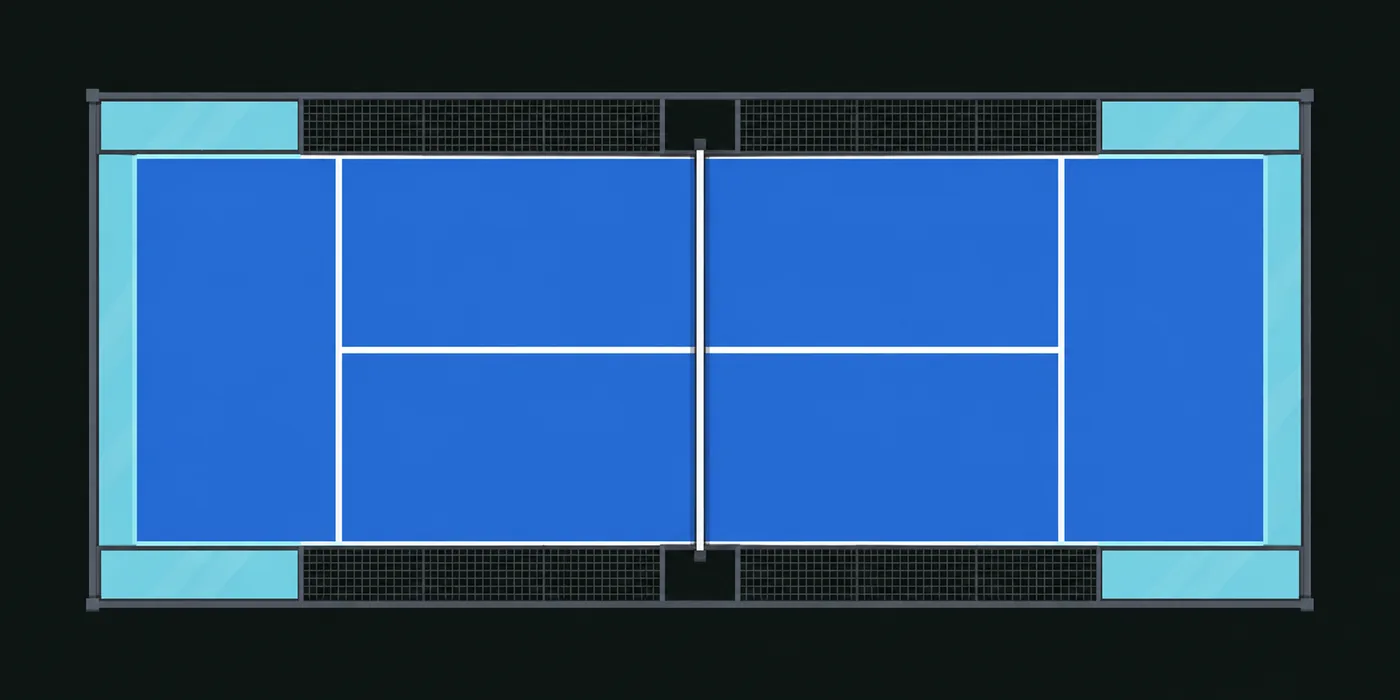
On the Star Point the receiving pair chooses whether to receive the serve on the right or on the left side of the court. Its two players may not change positions to receive that point.
For mixed matches the rulebook adds one condition: on the deciding point the receiver must be the same sex as the server.
Compared with the golden point
More
Advantage. Deuce repeats until one pair wins two points in a row. A game has no maximum length.
Star Point. Up to two advantages, then a deciding point at the third deuce.
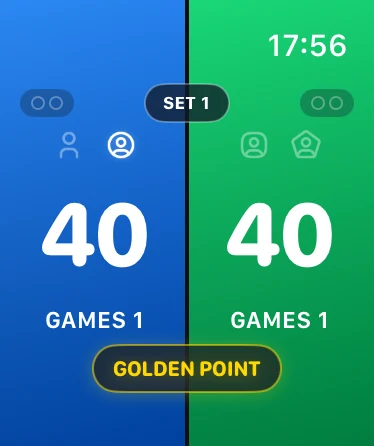
Golden point. A deciding point at the first deuce, with no advantage played.
The FIP Rules of Padel list them as Option 1, Option 2 and Option 3 for the score in a game. In both formats the receiving pair picks the side for the deciding point.
Where it is played
FIP circuits from 2026
- 2026FIP circuits
- 3ways to finish 40-40
More
FIP announced that from 2026 the Star Point is applied on four circuits: Premier Padel, the CUPRA FIP Tour, FIP Promises and the amateur FIP Beyond. Its debut was set for the FIP Bronze in Melbourne (5 to 11 January 2026), and on Premier Padel for the Riyadh P1 (9 to 14 February 2026).
For club and friendly matches the rulebook does not choose for you: advantage, Star Point and golden point are all valid ways to score a game. Tournaments and national federations publish their own format, so read the competition rules, and in a friendly match agree on the format before the first serve.
Keeping score with Rallyboard
The watch names each deuce for you.
More
Rallyboard is a scoreboard for Apple Watch and iPhone. Set the rule at 40-40 to Star Point before the match and the watch counts the game for you: it labels deuce 1 and deuce 2, and at the third deuce it shows STAR POINT.
The same setting offers advantage and the golden point, so one watch covers all three options of the FIP rulebook. It is on the App Store; all the padel rules are also shown in pictures.
Quick answers
What is the Star Point in padel?
It is a scoring option in the FIP Rules of Padel for games that reach deuce. A game allows up to two advantages; if both are lost, the score is deuce for the third time and a single deciding point, the Star Point, is played. The pair that wins it wins the game.
When exactly is the Star Point played?
At the third deuce of a game, after two advantages have been played and lost. It is not played at the second deuce: at deuce 2 the pairs still play for advantage 2.
Who chooses the side on the Star Point?
The receiving pair chooses whether to receive on the right or on the left side, and its players may not change positions to receive that point. In mixed matches the receiver must be the same sex as the server.
Has the Star Point replaced the golden point?
On the FIP circuits it is the format applied from 2026. In the rulebook the golden point is still one of three options, next to advantage and the Star Point, so a club or a national federation can keep playing it.
Sources
FIP Rules of Padel, applied from 1 January 2026: the score in a game, Option 2, Star Point.
FIP announcement of the Star Point, 18 December 2025.